
Beginners usually learn two words first:
- 休み やすみ yasumi → super universal! (day off, break, vacation)
- 祭り まつり matsuri → festival, local celebration
But the further you go… the more fun it gets!
Here are more advanced words you’ll hear everywhere:
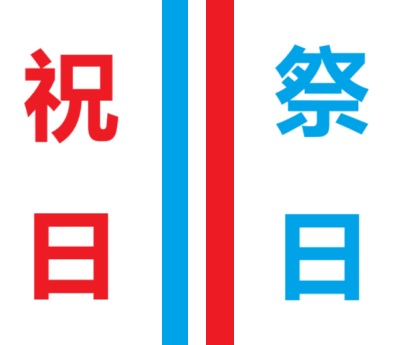
🎎 祭日 さいじつ saijitsu Originally it was a purely Shinto term: the day when shrines hold their rituals and festivals 👘⛩️ Today some people (a bit incorrectly) also use it for national holidays, but traditionally it’s religious, not legal.
㊗️ 祝日 しゅくじつ shukujitsu The official word for national/public holidays (国民の祝日). Also used for anniversaries (wedding anniversaries, school foundation days, city birthdays, etc.). This word is used in laws and calendars!
🎊 祝祭日 しゅくさいじつ shukusaijitsu Beautiful combo of the two above → both national holidays AND festival days.
🗓️ 休日 きゅうじつ kyūjitsu Simple “day off”. Works for regular weekends, personal days off, and also official national holidays.
✈️ 休暇 きゅうか kyūka Proper vacation / leave from work or school. Time to dance! 💃🏻
Quick cheat-sheet:
- Weekend / day off → 休み or 休日
- National holiday → 祝日
- Shrine festival day → 祭日
- Both national + festival → 祝祭日
- Vacation from work/school → 休暇
Which one was your favourite discovery? Tell me in the comments! 👇
#JapaneseLanguage #JapaneseHolidays #Nihongo